Wind Loading, The Sail Effect, and the Science of Ballast.
Calculating lateral force and stability for outdoor structures.
Important Safety Notice & Disclaimer
The information provided in this Resource Center is for educational and informational purposes only. While EZ BLOCK products are engineered to the highest standards, every event site has unique variables—including soil conditions, wind exposure, and structural loads.
EZ BLOCK is not a structural engineering firm. All temporary structures should be reviewed, calculated, and approved by a qualified structural engineer licensed in your jurisdiction. Never exceed the rated load capacities of your rigging components or ballast systems.
Safety first, always.
1. Understanding the "Sail Effect"
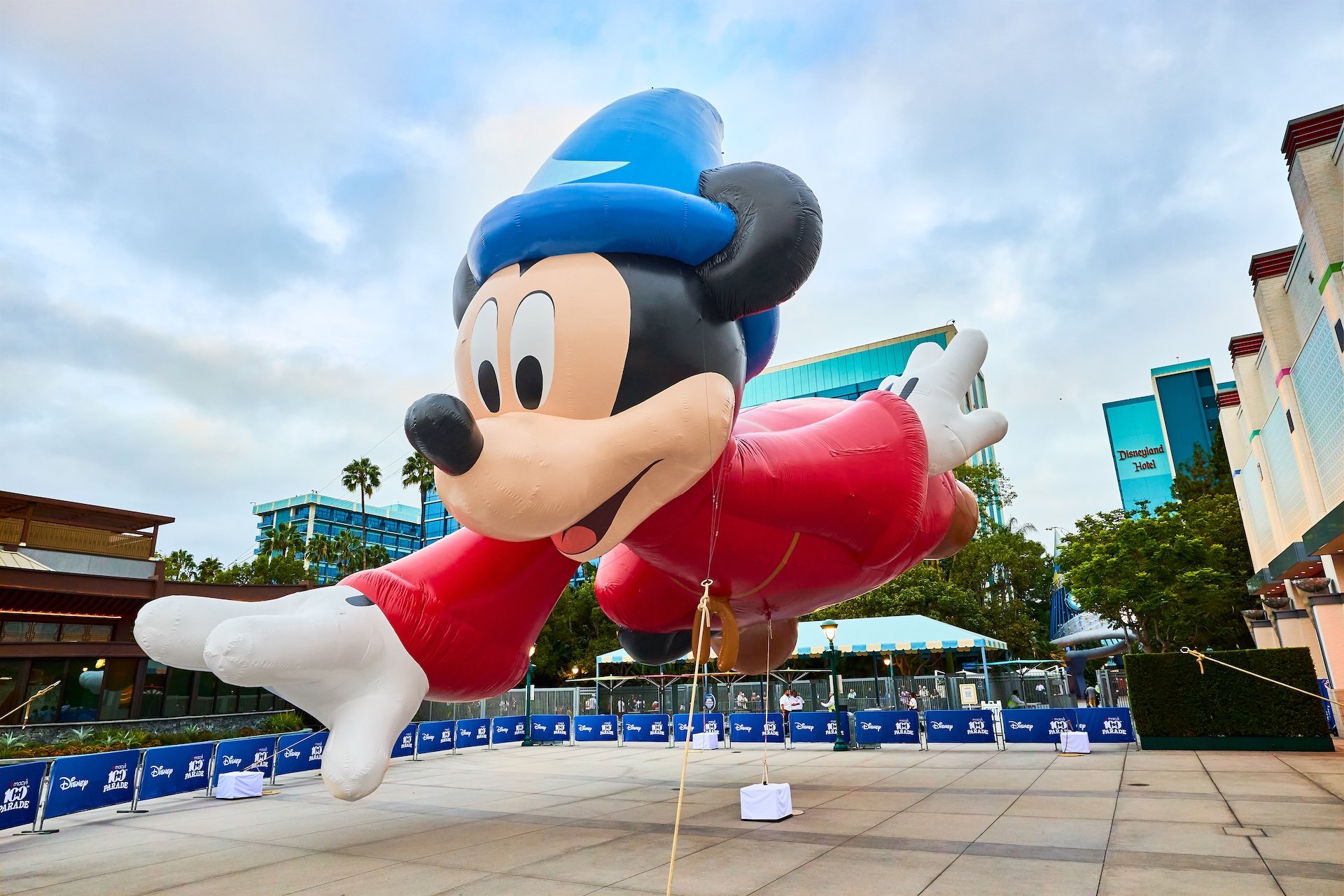
When you hang a banner, an LED wall, or even a tight mesh on a truss, you are creating a sail. Wind pressure is not linear; it increases exponentially as the wind speed increases.
The Physics: If you double the wind speed, the force on your structure doesn't just double—it quadruples.
The Surface Area: Even a "transparent" mesh screen can catch up to 30-50% of the wind. Never assume wind will simply "blow through" your rig.
2. Overturning vs. Sliding
Wind creates two specific types of failure that your ballast must counter:
Overturning: The wind pushes the top of the truss, trying to pivot the whole structure around the base. The taller the truss, the more "leverage" the wind has.
Sliding: The wind pushes the entire structure horizontally across the ground.
Educational Tip: To prevent sliding, you need friction. To prevent overturning, you need mass and a wide footprint.
EZ BLOCK’s heavy steel design addresses both by providing high density ballast in a small, bolt-down footprint.
3. The "Wind Action Plan" (Industry Best Practice)
Every professional event should have a pre-defined Wind Action Plan. We suggest educating your team on these three thresholds:
Level 1 (Monitoring): At 15-20 mph, designate a safety officer to monitor gusts.
Level 2 (High Alert): At 25-30 mph, prepare to lower high-drag items (LED walls/banners).
Level 3 (Evacuation): At 40+ mph (or the structure's rated limit), clear the area.
4. Technical Rule of Thumb: The "1.5x Rule"
While you should always consult a structural engineer, a common industry starting point for safety is to ensure your Restoring Moment (the weight of your ballast multiplied by the distance to the pivot point) is at least 1.5 times greater than the Overturning Moment (the wind force multiplied by the height of the sail).
LEARN MORE
Fundamentals of Event Rigging Safety
Learn the three pillars of stability and why mechanical connections are non-negotiable for outdoor rigs.
Transitioning from concrete to circular steel assets: meeting ISO 20121 standards.
ROI of green infrastructure
There are so many options…… It is just ridiculous