Ballast Safety
Understanding the mechanics of a stable foundation.
Important Safety Notice & Disclaimer
The information provided in this Resource Center is for educational and informational purposes only. While EZ BLOCK products are engineered to the highest standards, every event site has unique variables—including soil conditions, wind exposure, and structural loads.
EZ BLOCK is not a structural engineering firm. All temporary structures should be reviewed, calculated, and approved by a qualified structural engineer licensed in your jurisdiction. Never exceed the rated load capacities of your rigging components or ballast systems.
Safety first, always.
In the event world, ballast isn't just 'dead weight.' It is a calculated safety component designed to counter dynamic forces like wind, weight distribution, and surface friction. To ensure a safe build, every rigger should understand the three pillars of stability:
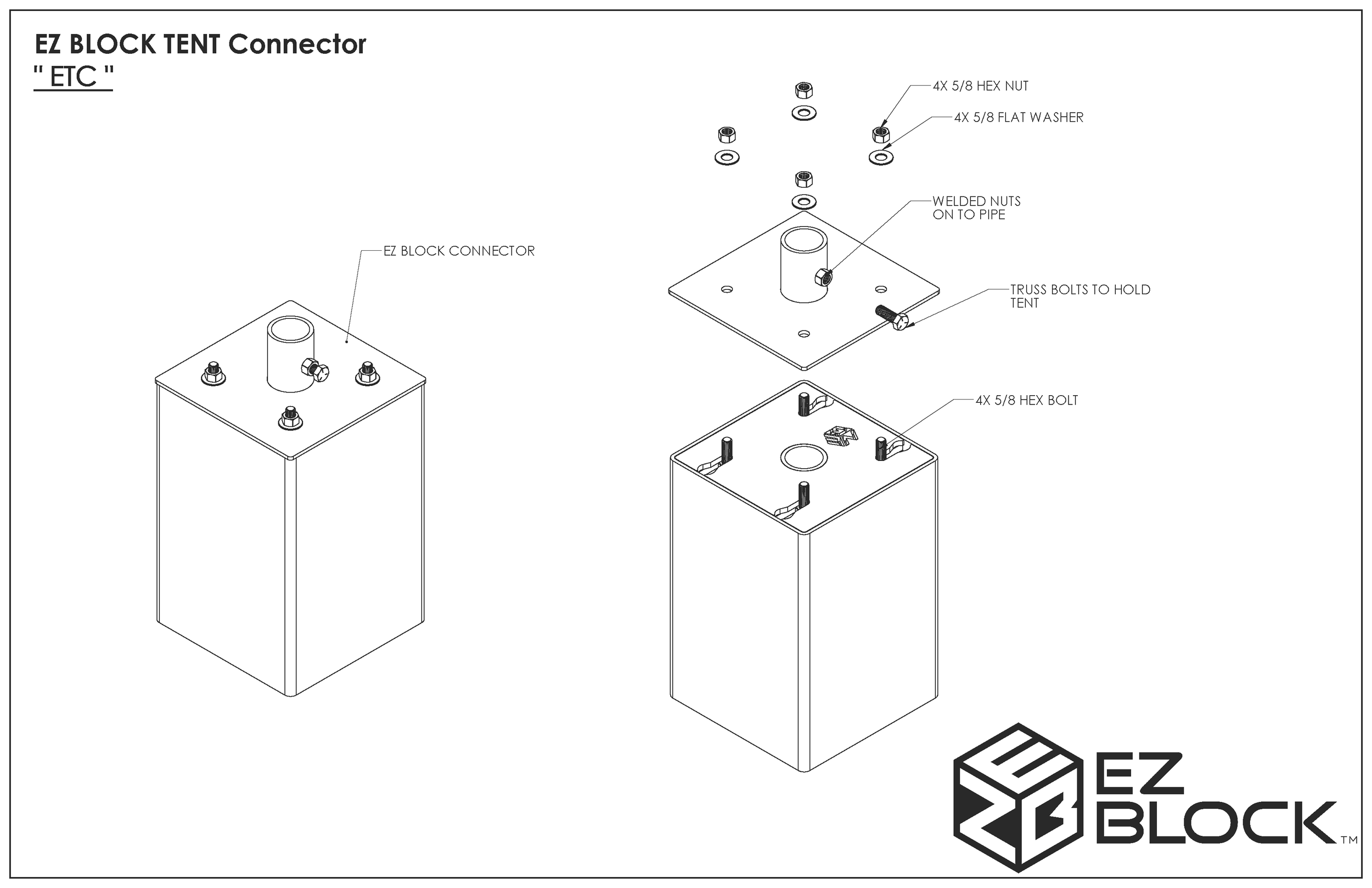
Mechanical Connection: A weight sitting next to a truss is a suggestion; a weight bolted to a truss is a system. EZ BLOCK’s 12-inch bolt pattern ensures the ballast moves with the structure, preventing the 'walk' or 'slide' that leads to tipping.
The Overturning Moment: As your truss gets taller, the wind has more leverage. We recommend a safety factor of at least 1.5x to 2.0x the calculated overturning force.
Surface Friction: Steel on concrete behaves differently than steel on grass. Always account for the 'Coefficient of Friction.' If the surface is slick, your ballast needs to be heavier to prevent sliding, even if the structure isn't tipping.
LEARN MORE
Physics of wind and Stability
How to calculate the necessary weight for your truss based on height and local wind speeds.
Transitioning from concrete to circular steel assets: meeting ISO 20121 standards.
ROI of green infrastructure
There are so many options…… It is just ridiculous